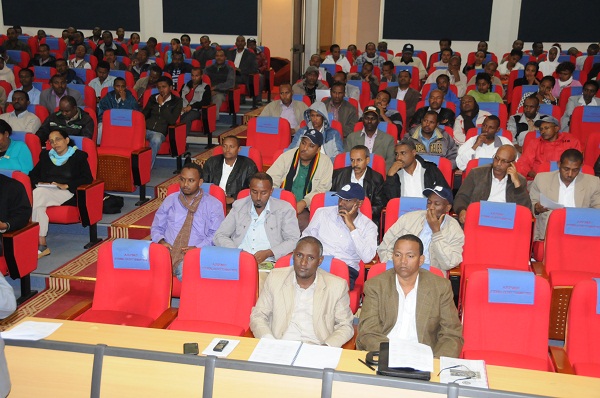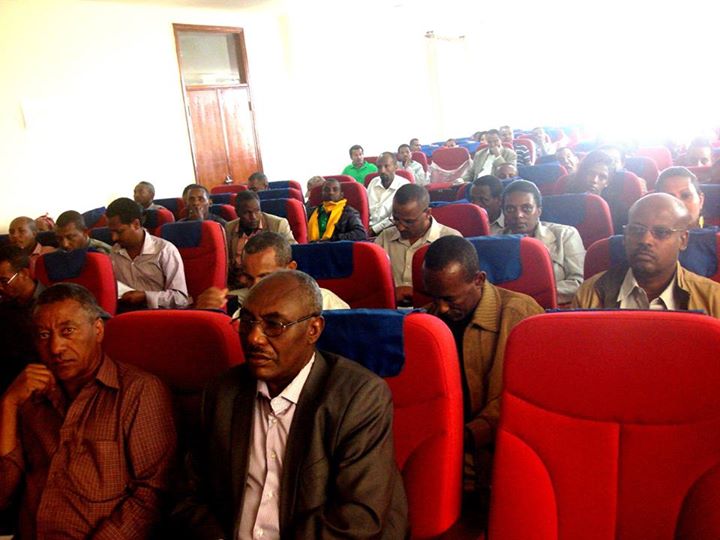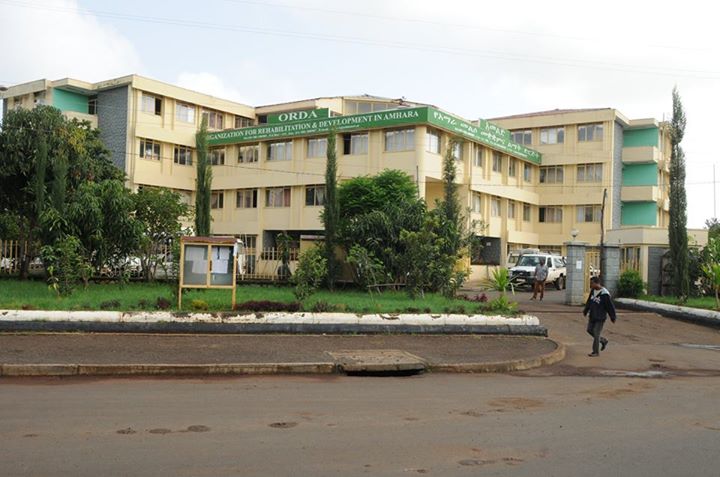
The Healthy Villages Project (2021–2025) is a 5-year integrated development initiative executed by ORDA Ethiopia (አመልድ ኢትዮጵያ) in partnership with the Ethiopian government and funded by the Max Foundation (~€2.99 million from the Netherlands government). Operating in the Goncha Siso Enese and Enarj Enawga woredas of East Gojjam, Amhara Region, the project aims to eradicate childhood stunting, improve WASH infrastructure, enhance household nutrition, and empower women.
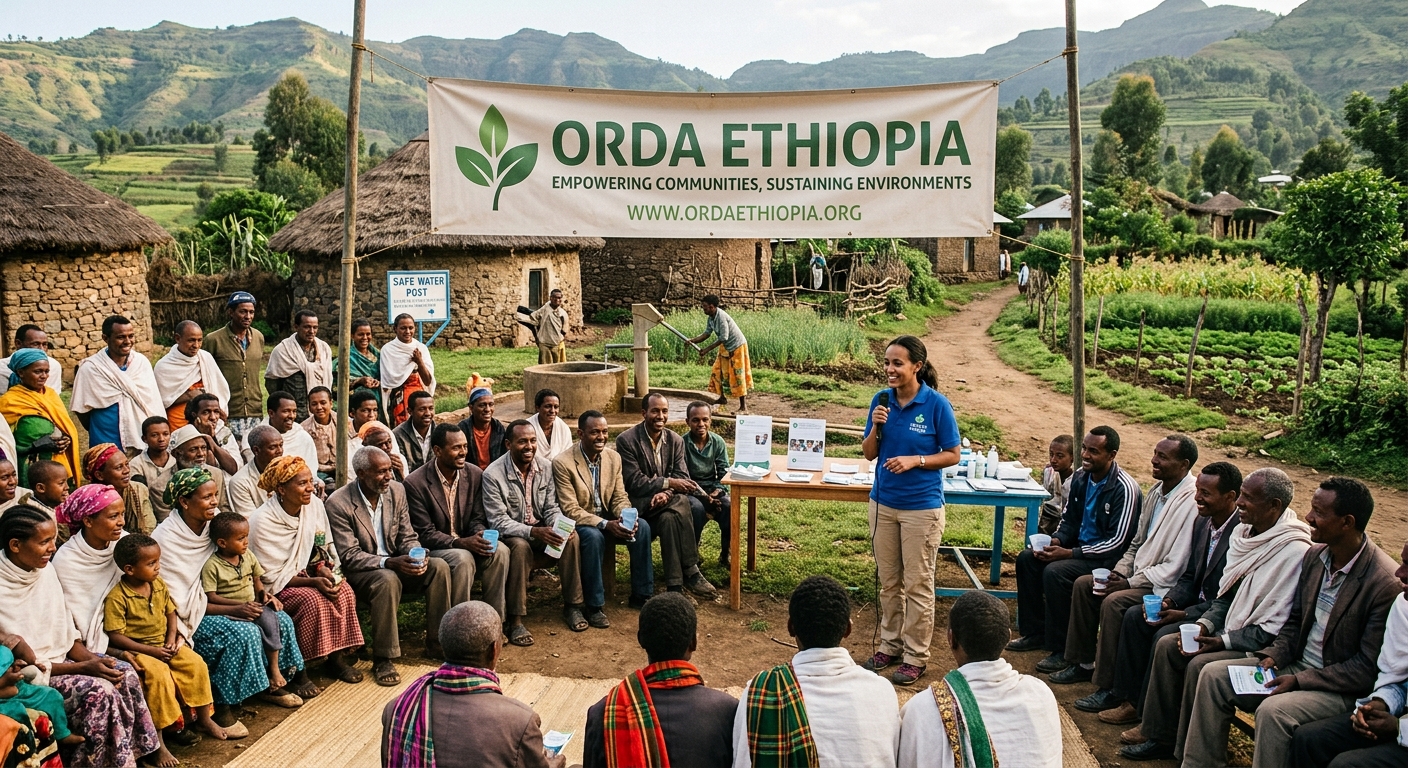
Key Project Impact & Summary Points
-
Core Project Pillars: Focuses on five main strategic areas: food security/nutrition, environmental & personal hygiene, clean water supply, maternal & child nutrition, livelihood diversification, and gender equality.
-
Target Coverage in East Gojjam: Covers 12 kebeles with comprehensive multi-sectoral operations and 26 kebeles with targeted social and behavioral change communication (SBCC) on nutrition.
-
Addressing Childhood Stunting: Directly combats severe child growth faltering through monthly growth monitoring, distributing egg-laying poultry, and teaching mothers how to prepare nutrient-dense supplementary porridge (ምጥን ገንፎ).
-
Women’s Livelihood & Micro-Enterprise Creation: Created local economic opportunities by training 37 women to prepare and sell fortified flour kits, serving over 581 local households (381 mothers and 200 fathers).
-
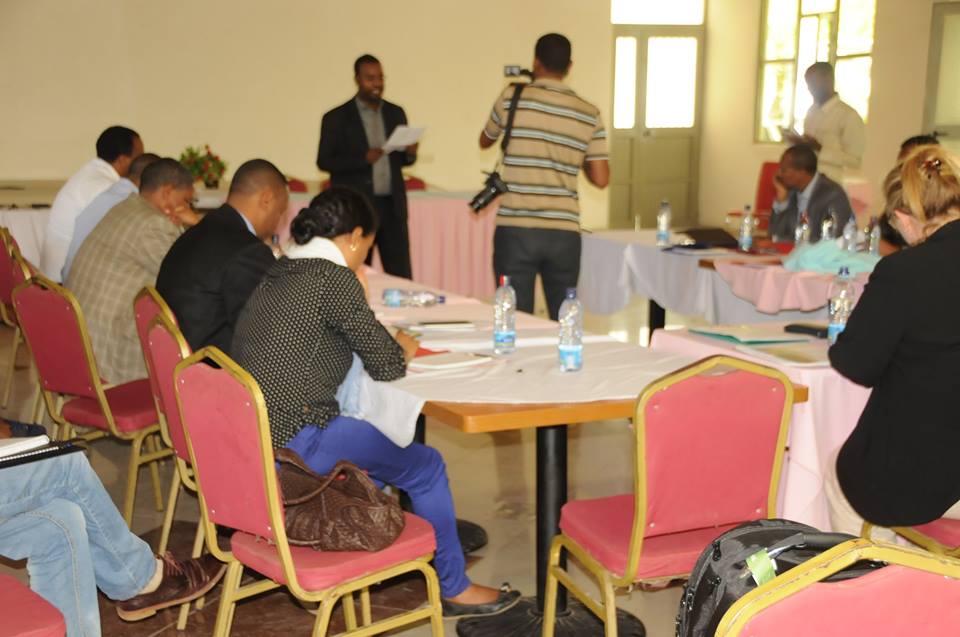
Capacity Building for Health Workers: Trained 157 Health Extension Workers (HEWs) and health professionals, enabling active growth monitoring and nutritional support for over 20,000 children under two years old.
-
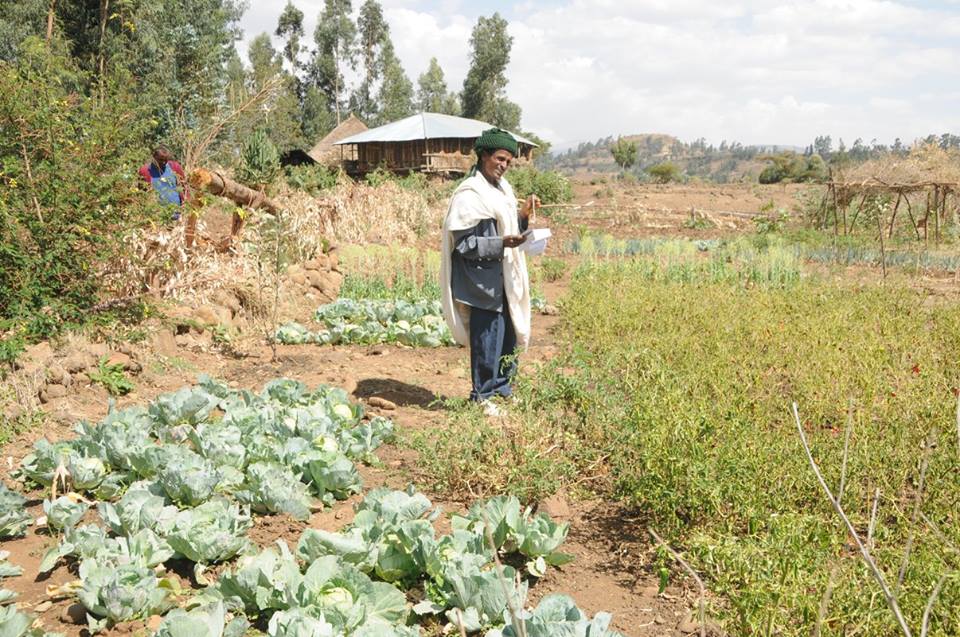
Integrated Backyard Agriculture & Irrigation: Distributed 422 household treadle water pumps (ሆሸል ፓምፕ) and vegetable seeds (spinach, beetroot, carrots) alongside poultry packages to diversify rural family diets.
-
Participatory Integrated Farm Planning (PIP): Trained 550 lead champion farmers on 16 integrated farm management packages—spanning improved latrines, poultry housing, zero-grazing, and 5-year farm mapping.
-
Sustainable Household Sanitation & Hygiene: Trained 600 champion farmers across 12 kebeles to construct clean, concrete-slab latrines equipped with handwashing stations, eliminating open defecation.
-
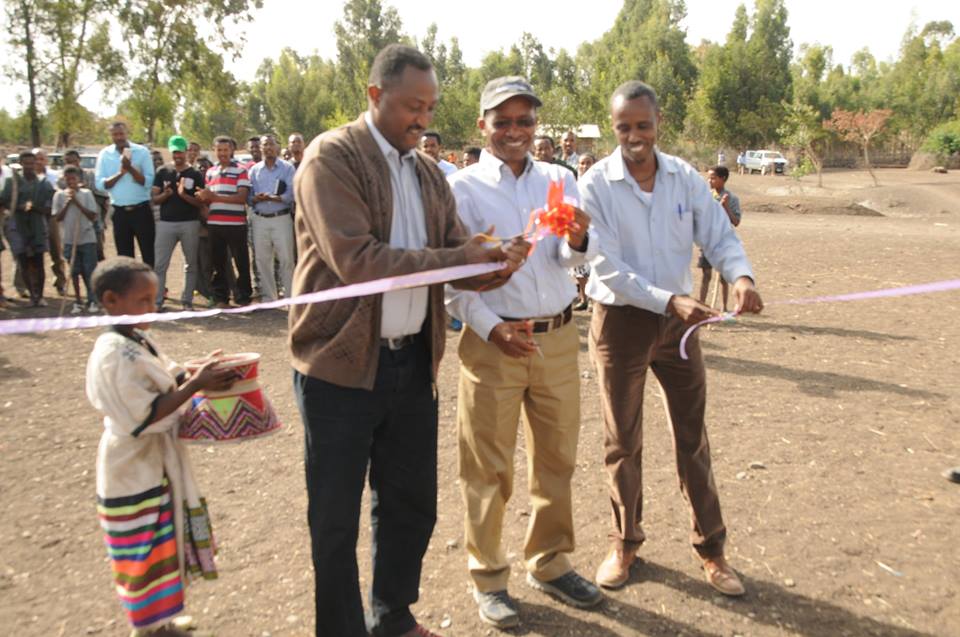
Inclusive Institutional WASH in Schools: Built gender-separated and disability-accessible modern latrine facilities with specialized menstrual hygiene management (MHM) spaces across 12 rural primary schools, serving over 3,500 students.
-
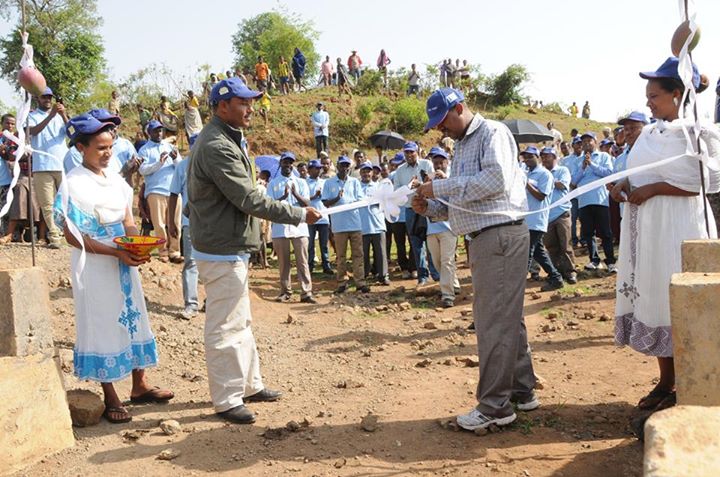
Clean Water Infrastructure Access: Built and rehabilitated 42 water supply schemes (including 3 major Rural Piped Systems), extending clean drinking water to over 25,600 community members and reducing water collection walking times from 1 hour to 7 minutes.
-
Village Savings and Loan Associations (VESA): Established 256 VESA community savings groups, generating over 5.3 million ETB in local savings to fund revolving micro-loans for low-income households.